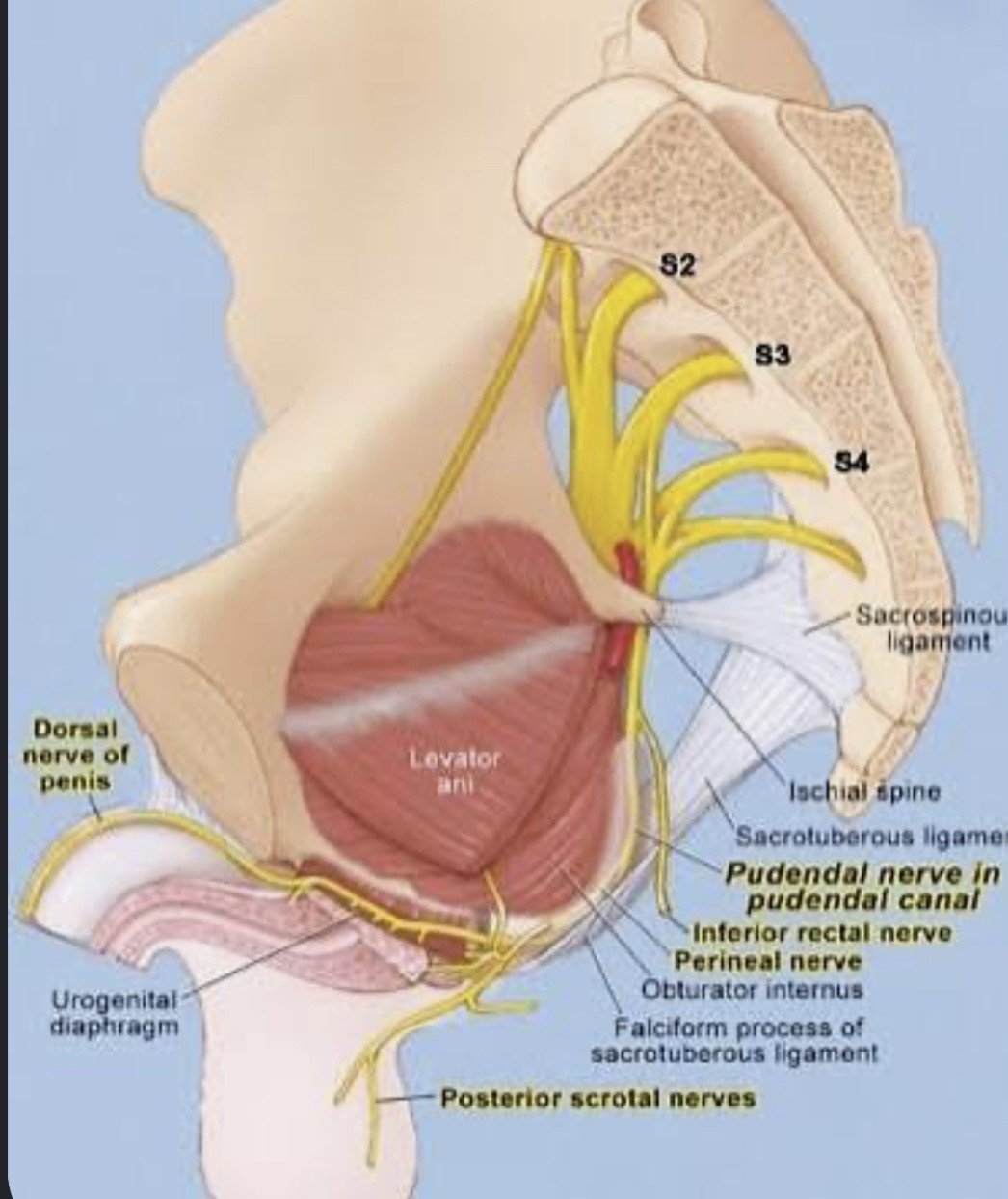
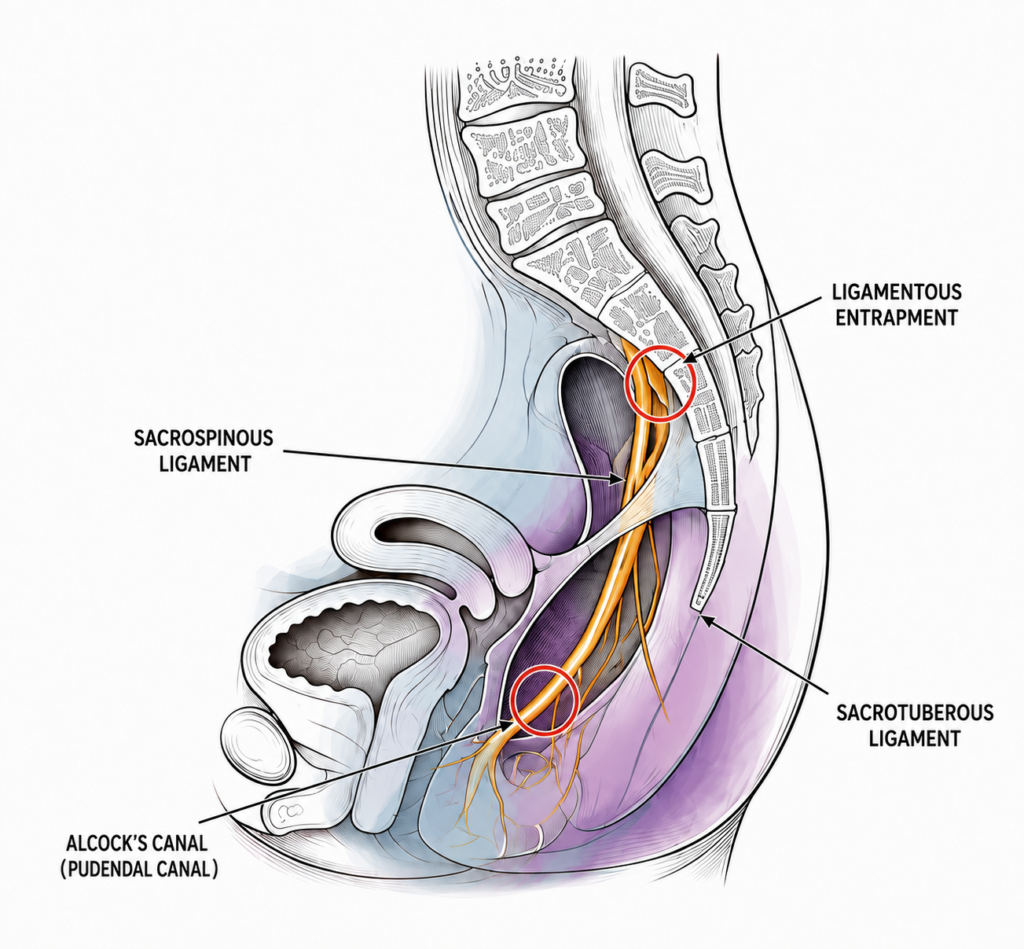
The pudendal nerve is one of the main nerves of the pelvis. It carries sensation from the genital, anal and perineal areas and helps control muscles involved in bladder and bowel function. Pudendal neuralgia is nerve pain connected to irritation, injury or dysfunction of this nerve. People may describe burning, stabbing, shooting, tingling, numbness, pressure or pain that becomes worse while sitting. Symptoms can overlap with other pelvic pain conditions, and there is no single experience that fits everyone. Learning the basics can help you describe what you feel and prepare for a more informed conversation with a healthcare professional.
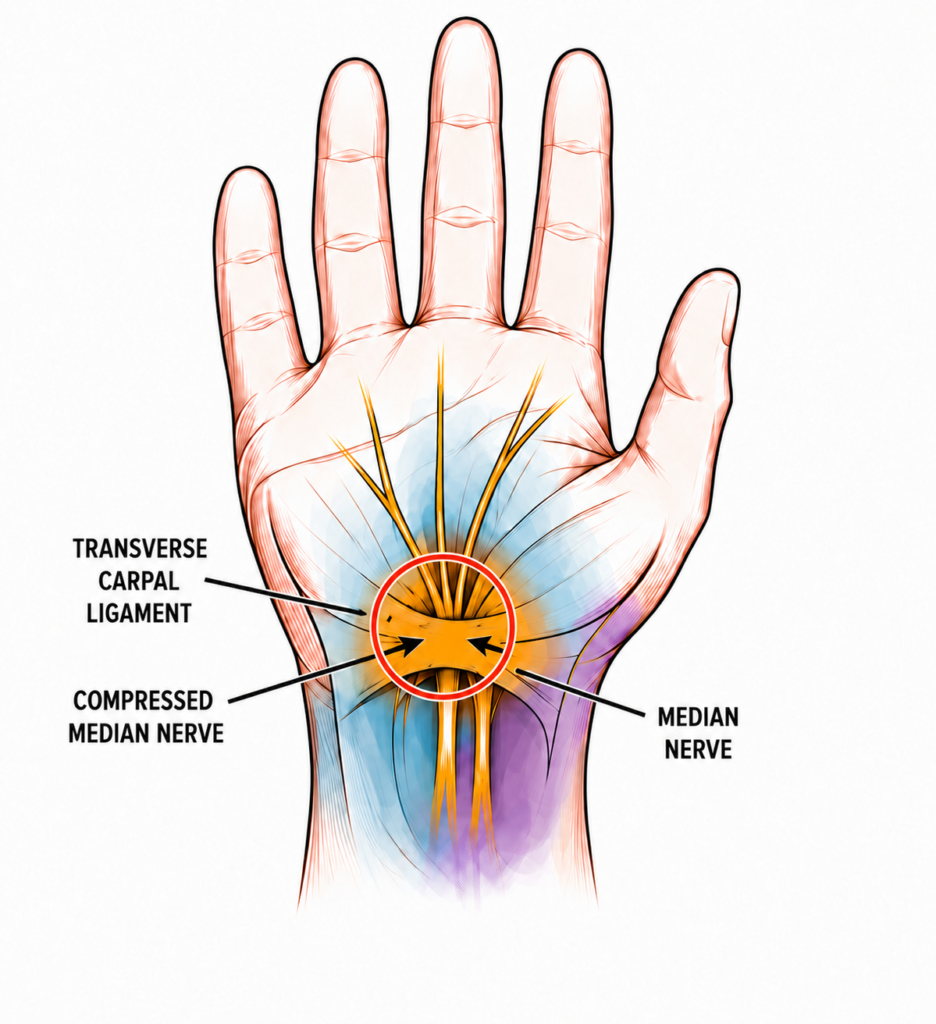
One way to understand some cases of pudendal nerve pain is to compare them with carpal tunnel syndrome: a nerve becomes irritated or compressed along a narrow path, but in this case the affected area is in the pelvis. The comparison is only a starting point. Pudendal neuralgia can have different causes, and not every person has a confirmed nerve entrapment.
A community that understands
Pudendal Neuralgia can be painful, isolating and difficult to explain. Pudendal Pain to Purpose helps people affected by pudendal pain find clear information, practical resources, community support and a more understandable path forward.

Living with pudendal neuralgia can feel confusing and isolating, especially while searching for answers. There may not be one perfect path, but you do not have to navigate it alone.
Pain, burning, tingling, numbness, pressure, or discomfort that worsens while sitting may be signs that something needs attention.
A knowledgeable healthcare provider can listen to your symptoms, rule out other possible causes, and help determine the next steps in your care.
Treatment looks different for everyone. Your care plan may include lifestyle changes, pelvic floor physical therapy, medication, nerve blocks, or other specialist-guided options.
Connecting with others who understand can bring validation, encouragement, and hope. Together, patients and families can also help raise awareness and advocate for better care.
Pudendal neuralgia is often misunderstood, overlooked, or difficult to talk about. By raising awareness, sharing reliable information, and listening to patient experiences, we can help more people feel seen, believed, and supported.
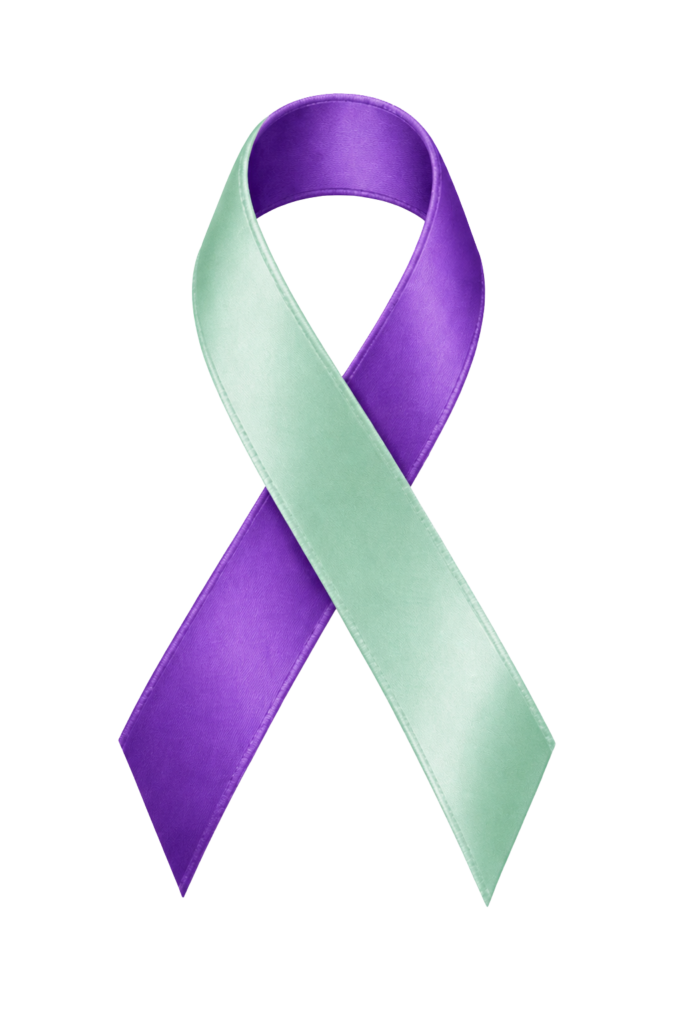
The purple and light green ribbon represents hope, healing, and the strength of a community working together to create change.
Patient and caregiver experiences can help others feel less alone and encourage greater understanding.
Help make pudendal pain more visible by sharing the official awareness ribbon and reliable educational resources with your community.
Support better education, increased awareness, and improved access to knowledgeable care.
Find reliable information, connect with a community that understands and discover ways to help turn pain into purpose.