Pudendal neuralgia is a form of nerve-related pelvic pain that can affect deeply personal parts of everyday life—from sitting and working to using the bathroom, sleeping and maintaining intimate relationships.
Because its symptoms overlap with many other conditions, people can spend months or years searching for an explanation. Understanding the pudendal nerve, recognizing common symptom patterns and knowing how the condition is evaluated can help make that search feel less overwhelming.
Pudendal neuralgia is nerve-related pain associated with irritation, injury or dysfunction of the pudendal nerve.
There is a pudendal nerve on each side of the body. These nerves originate from the lower spinal region and travel through the pelvis before branching into areas around the genitals, perineum, anus and rectum.
The pudendal nerve helps carry sensory information—including touch, temperature, pleasure and pain—from these areas. It also contributes to the control of the external urinary and anal sphincters.
When the nerve becomes irritated, compressed or damaged, it may send abnormal pain signals. Because the nerve serves several sensitive areas and functions, symptoms can look very different from one person to another.
“Neuralgia” describes nerve-related pain. Pudendal neuralgia refers to pain experienced within the areas served by the pudendal nerve.
“Neuropathy” refers more broadly to dysfunction or damage affecting a nerve. It may involve pain, altered sensation or changes in nerve function.
Entrapment occurs when the nerve is compressed or restricted somewhere along its path.
Important: These terms are related, but they are not interchangeable. Pudendal nerve entrapment is one possible cause of pudendal neuralgia. A person can experience pudendal nerve pain without having confirmed entrapment.
Pudendal neuralgia does not feel exactly the same for everyone. Symptoms may occur on one side, both sides or in different locations at different times.
Pain may be constant, intermittent or triggered by particular activities.
People may describe the pain as:
Some people describe the feeling of sitting on an object, having something inside the rectum or experiencing swelling even when no swelling is visible.
Pudendal nerve pain may affect the:
Symptoms outside the classic pudendal nerve territory may suggest that other nerves, muscles or conditions are also involved.
A commonly reported pattern is pain that:
These patterns can support further evaluation, but they do not confirm pudendal neuralgia by themselves.
Because of the areas and functions associated with the pudendal nerve, some people may also experience:
Not everyone with pudendal neuralgia experiences these symptoms, and these problems can have many other causes.
Pudendal neuralgia can be difficult to talk about. The location of the pain may cause embarrassment, fear of judgment or difficulty finding the right words.
People may avoid discussing sexual, urinary or bowel symptoms, even when those symptoms provide important diagnostic information. Others may have been dismissed because imaging appeared normal or because the painful area looked healthy during an examination.
The absence of visible injury does not mean that the pain is imaginary.
Chronic pelvic pain can affect employment, relationships, mobility, sleep, emotional health and a person’s sense of independence. Those effects deserve to be taken seriously alongside the physical symptoms.

There is no single cause of pudendal neuralgia. Sometimes a specific event can be identified. In other cases, symptoms develop gradually or no clear cause is found.
Possible contributing factors include:
Activities involving prolonged pressure on the perineum may irritate the nerve.
Falls, fractures, direct trauma or other injuries involving the pelvis may affect the nerve or surrounding structures.
Pressure, stretching or trauma during childbirth may contribute to pudendal nerve symptoms in some people.
Procedures involving the pelvis, prostate, rectum or reproductive organs can occasionally affect nearby nerves directly or through postoperative scar tissue.
Tight, overactive or spasming pelvic floor muscles may place pressure on the nerve or contribute to pain in the same anatomical area.
The pudendal nerve passes through narrow spaces between muscles and ligaments. In some people, it may become compressed between ligaments or within the pudendal canal, also called Alcock’s canal.
Chronic constipation and frequent straining can place repeated stress on the pelvic floor and surrounding tissues.
Inflammation, infection, benign growths and other pelvic conditions may sometimes affect or irritate the nerve.
An Unknown Cause: Not finding one obvious cause does not make the symptoms less legitimate. Pelvic pain can involve several overlapping contributors, and the cause may not become clear during the first evaluation.
There is no single blood test, scan or examination that definitively diagnoses every case of pudendal neuralgia.
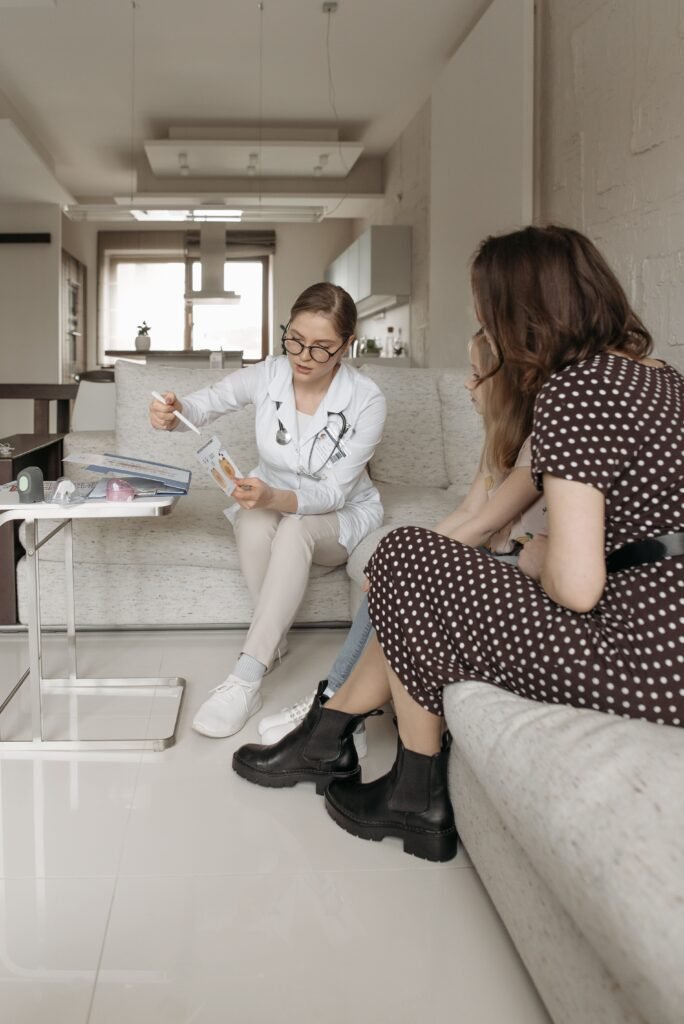
Diagnosis is primarily clinical. This means a healthcare professional considers the person’s symptom history, pain location, triggers, physical examination and response to previous treatments while evaluating other possible causes.
A provider may ask:
Depending on the symptoms, the examination may include the lower back, hips, abdomen, pelvic floor, genitals, rectum or surrounding muscles.
The purpose is not simply to reproduce pain. It is to evaluate sensation, muscle tension, tenderness and other possible sources of symptoms.
Several conditions can produce symptoms similar to pudendal neuralgia. Depending on the individual, providers may investigate possibilities such as:
Having one of these conditions does not necessarily rule out pudendal nerve involvement. More than one condition may be present.
MRI, ultrasound, electromyography or other tests may be used to look for structural problems, evaluate surrounding areas or rule out other explanations.
A normal imaging result does not automatically prove or disprove pudendal neuralgia. Test results must be interpreted alongside the person’s symptoms and examination.
A specialist may inject a local anesthetic near the pudendal nerve using image guidance. Temporary improvement may support the possibility that the nerve contributes to the pain.
A nerve block is one piece of the evaluation—not a perfect standalone test.
The Nantes criteria were developed to help clinicians evaluate pudendal neuralgia associated with pudendal nerve entrapment.
The five essential criteria are:
Pain within the anatomical territory of the pudendal nerve.
Pain that is predominantly worse while sitting.
Pain that does not usually wake the person during the night.
No objective loss of sensation during examination.
Pain relief following a diagnostic pudendal nerve block.
These criteria should be interpreted by a qualified clinician. They were developed for a particular presentation of pudendal nerve entrapment and should not be treated as an online self-diagnosis checklist.
Treatment depends on the suspected cause, severity of symptoms, related conditions and how the person responds to earlier interventions.
There is no single treatment plan that works for everyone. Research remains limited, and management often requires a combination of approaches and careful adjustment over time.

Early management may involve identifying and reducing activities that repeatedly aggravate symptoms.
Possible adjustments include:
The goal is not complete inactivity. It is to reduce repeated irritation while maintaining as much safe movement and independence as possible.
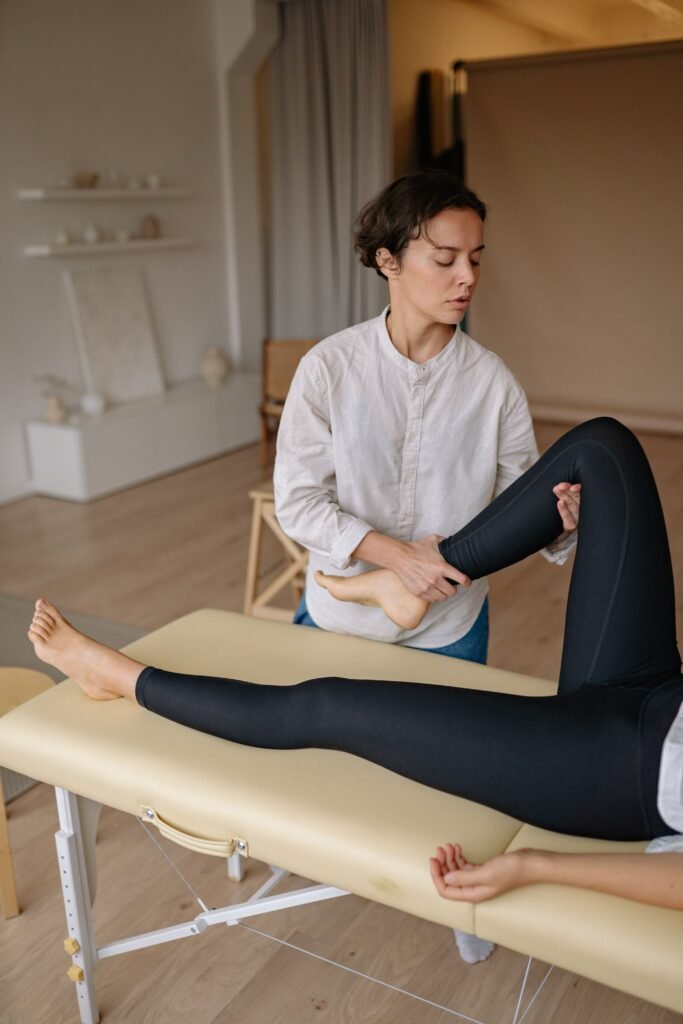
A pelvic floor physical therapist may evaluate whether muscle tension, spasms, movement patterns or surrounding structures are contributing to symptoms.
Treatment should be individualized. For people with an overactive or painful pelvic floor, therapy may focus on relaxation, coordination and reducing muscle guarding—not simply strengthening exercises.
Pelvic floor therapy is not universally effective for every case of pudendal neuralgia. If treatment consistently causes a significant or lasting increase in symptoms, the plan should be reassessed rather than automatically pushed forward.
Healthcare professionals may consider medications used for neuropathic pain, inflammation, muscle symptoms or related conditions.
Medication decisions should account for other prescriptions, medical conditions, side effects and the specific nature of the pain. No medication should be started, stopped or changed based solely on online information.
Image-guided nerve blocks may be used diagnostically, therapeutically or for both purposes.
The amount and duration of relief can vary. Providers should explain:
For persistent symptoms, specialists may discuss procedures such as neuromodulation or other interventions intended to change how pain signals are transmitted.
Evidence and availability vary. These options require careful evaluation by professionals experienced in pelvic nerve pain
Surgery may be considered in selected cases where nerve entrapment is strongly suspected or confirmed and less invasive treatment has not provided adequate relief.
Surgery is not appropriate for every person with pudendal neuralgia. The potential benefits, limitations, recovery period and possibility of persistent symptoms should be discussed with an experienced surgeon.
Including mental-health support does not mean the pain is psychological.
Chronic pain can cause isolation, grief, anxiety, depression, sleep disruption and fear of movement or future flares. Counseling, pain psychology and peer support can help people manage these effects while continuing to pursue appropriate medical care.
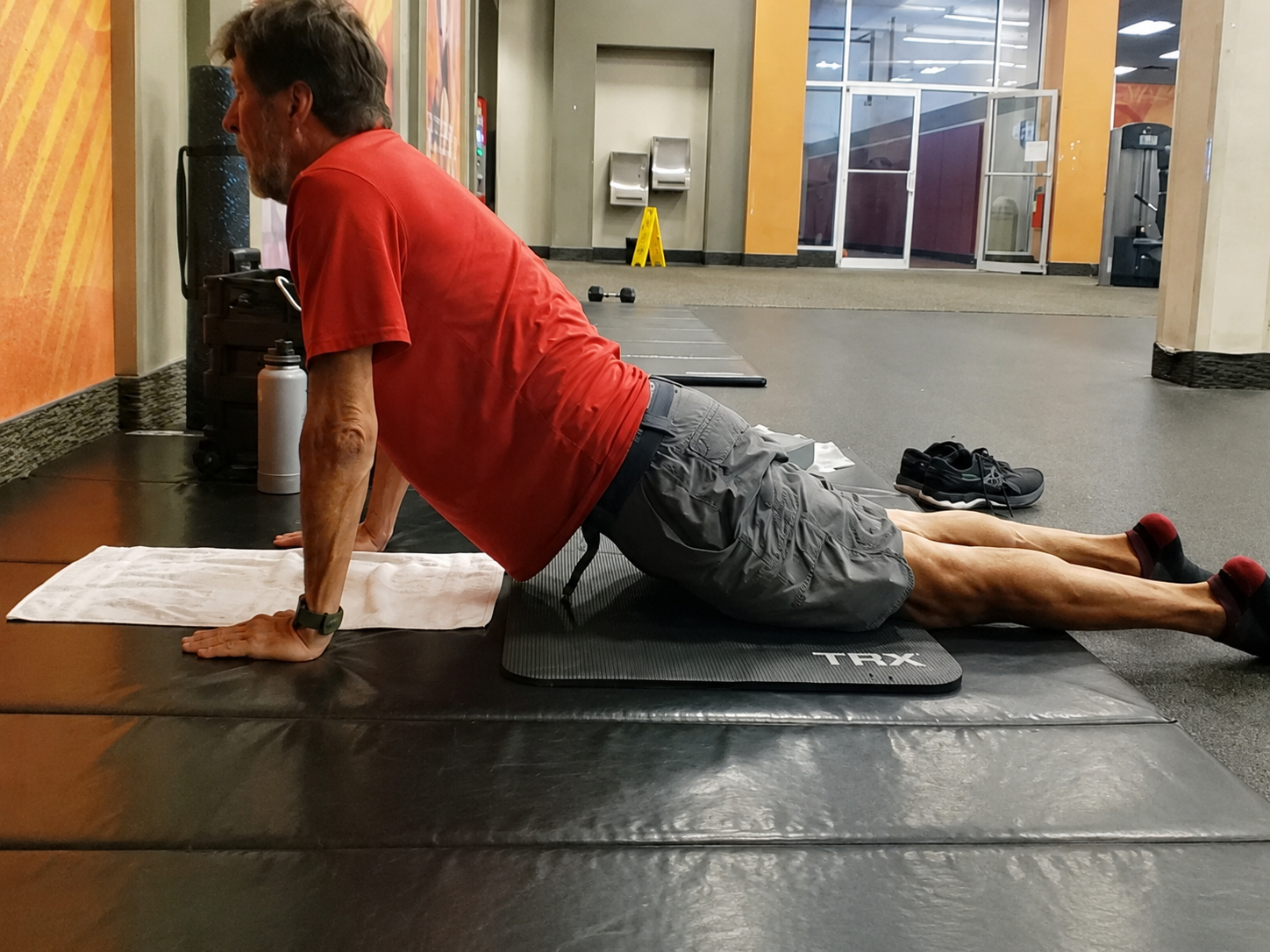
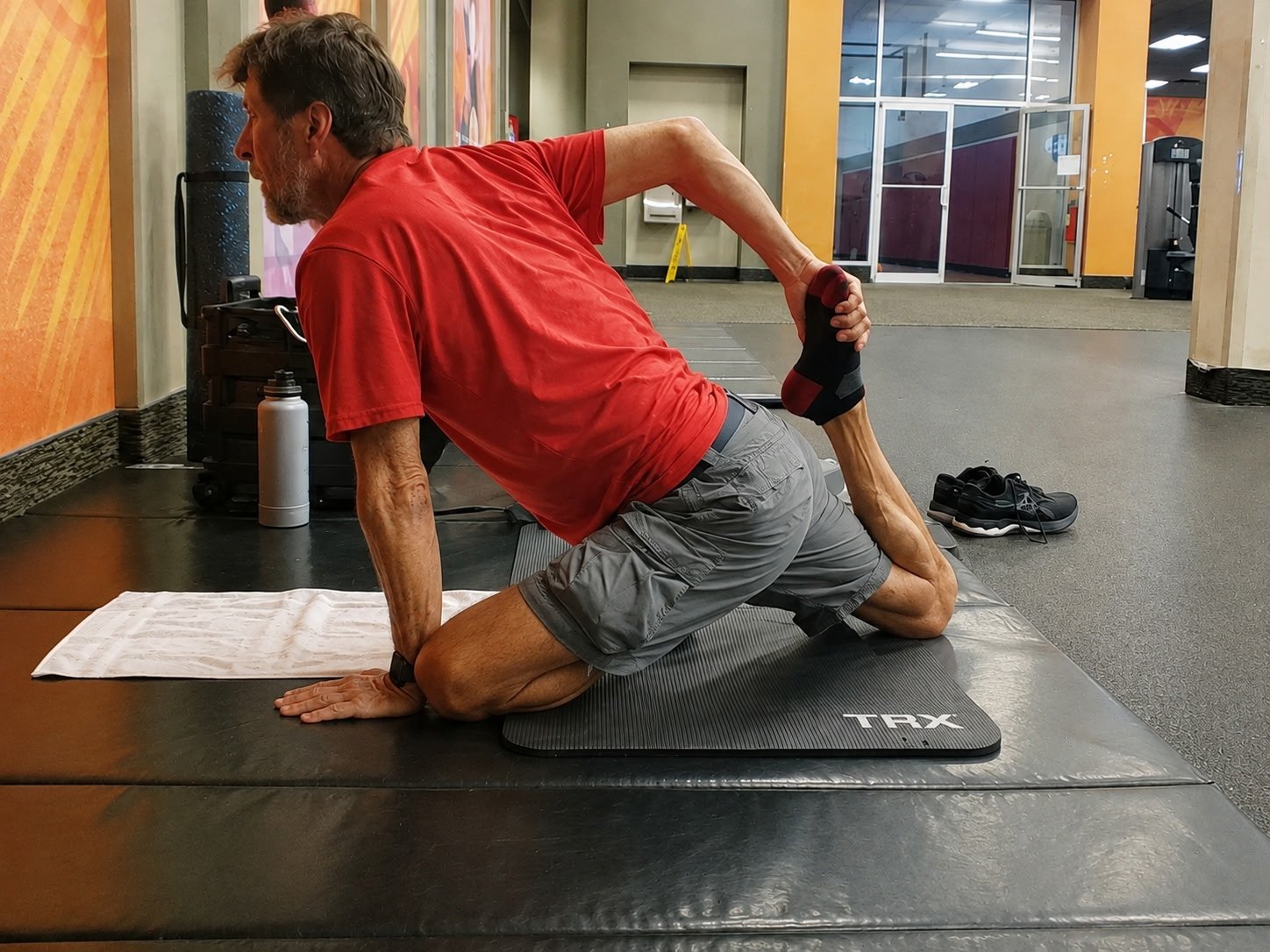
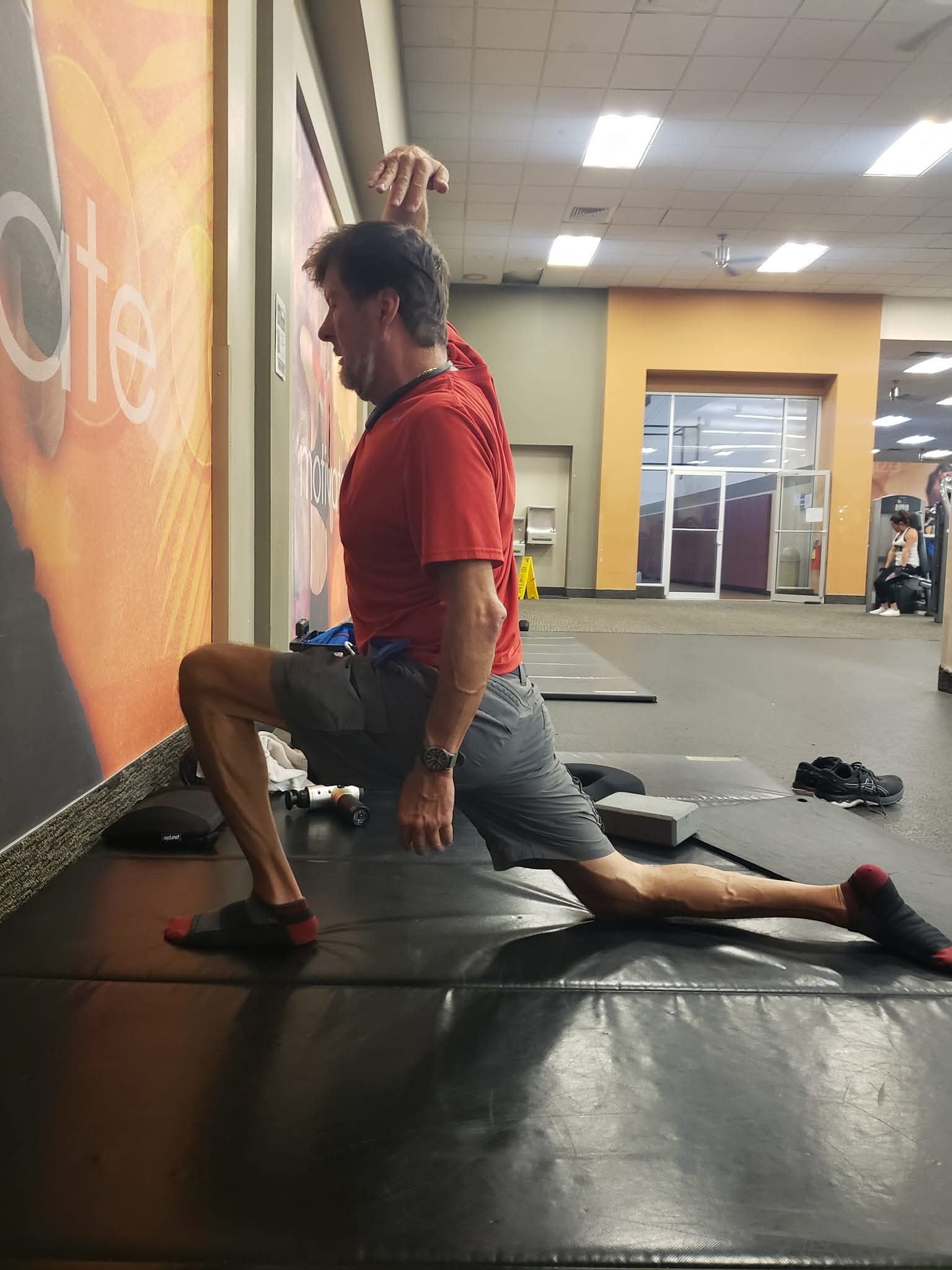
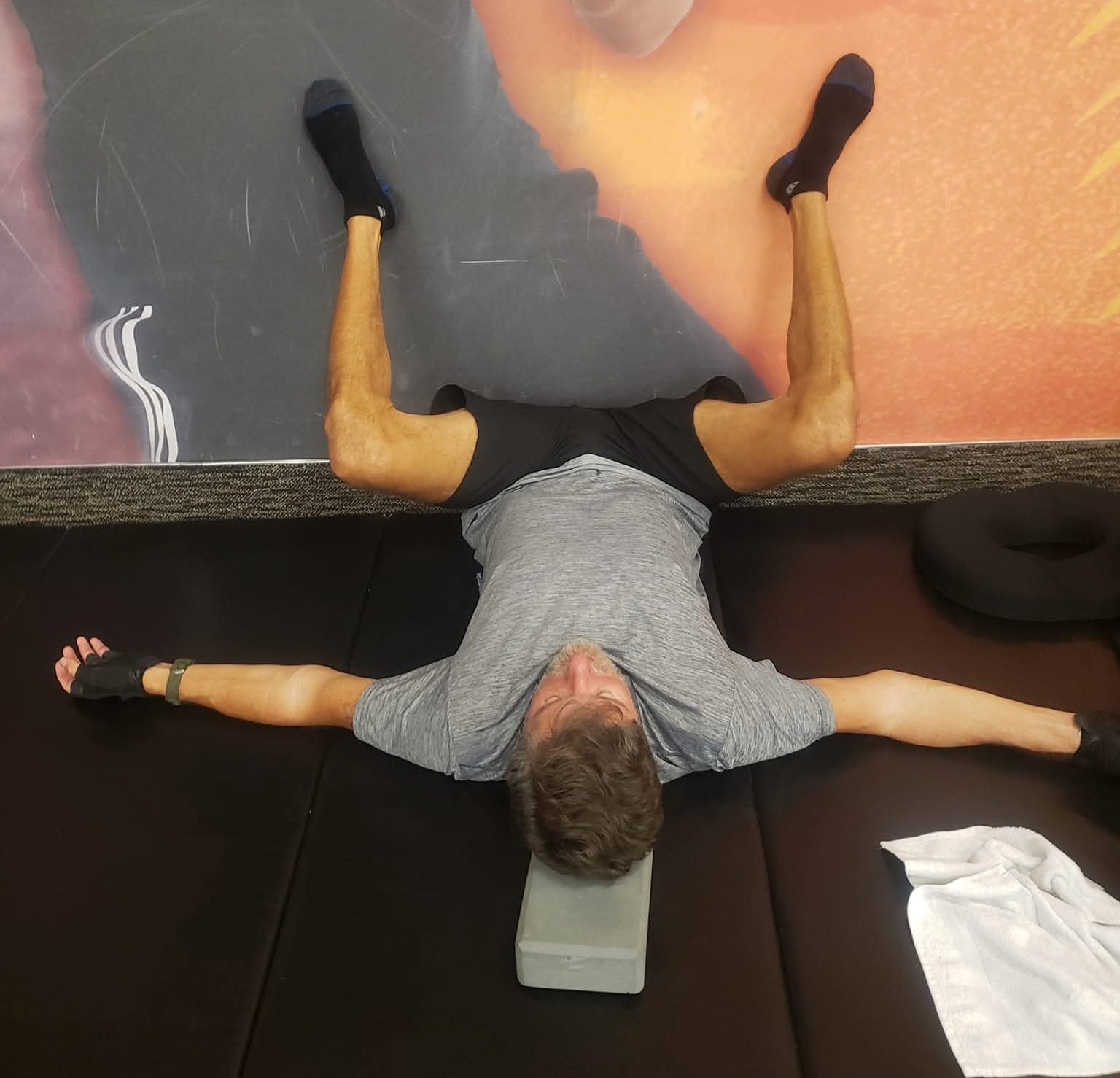
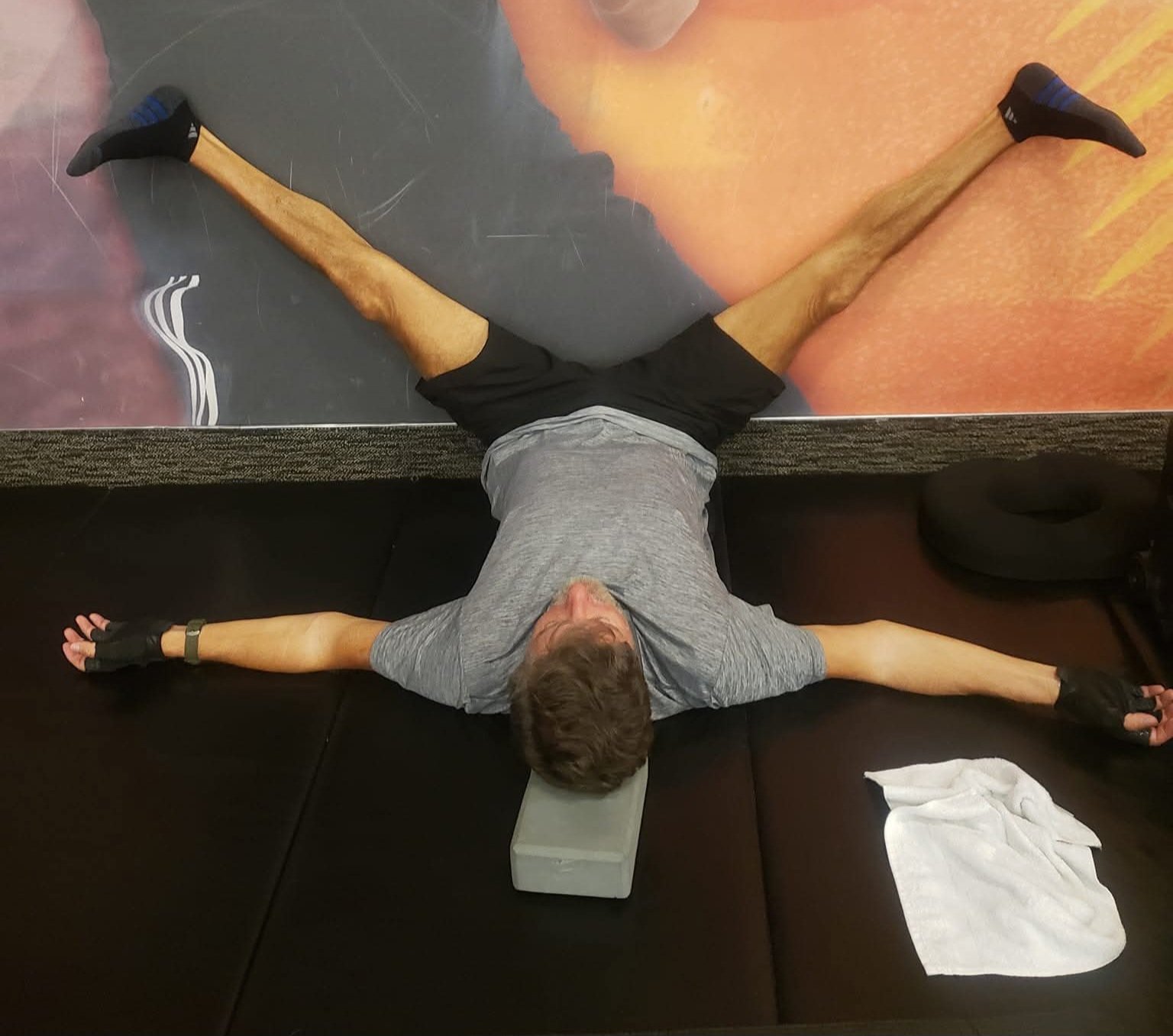
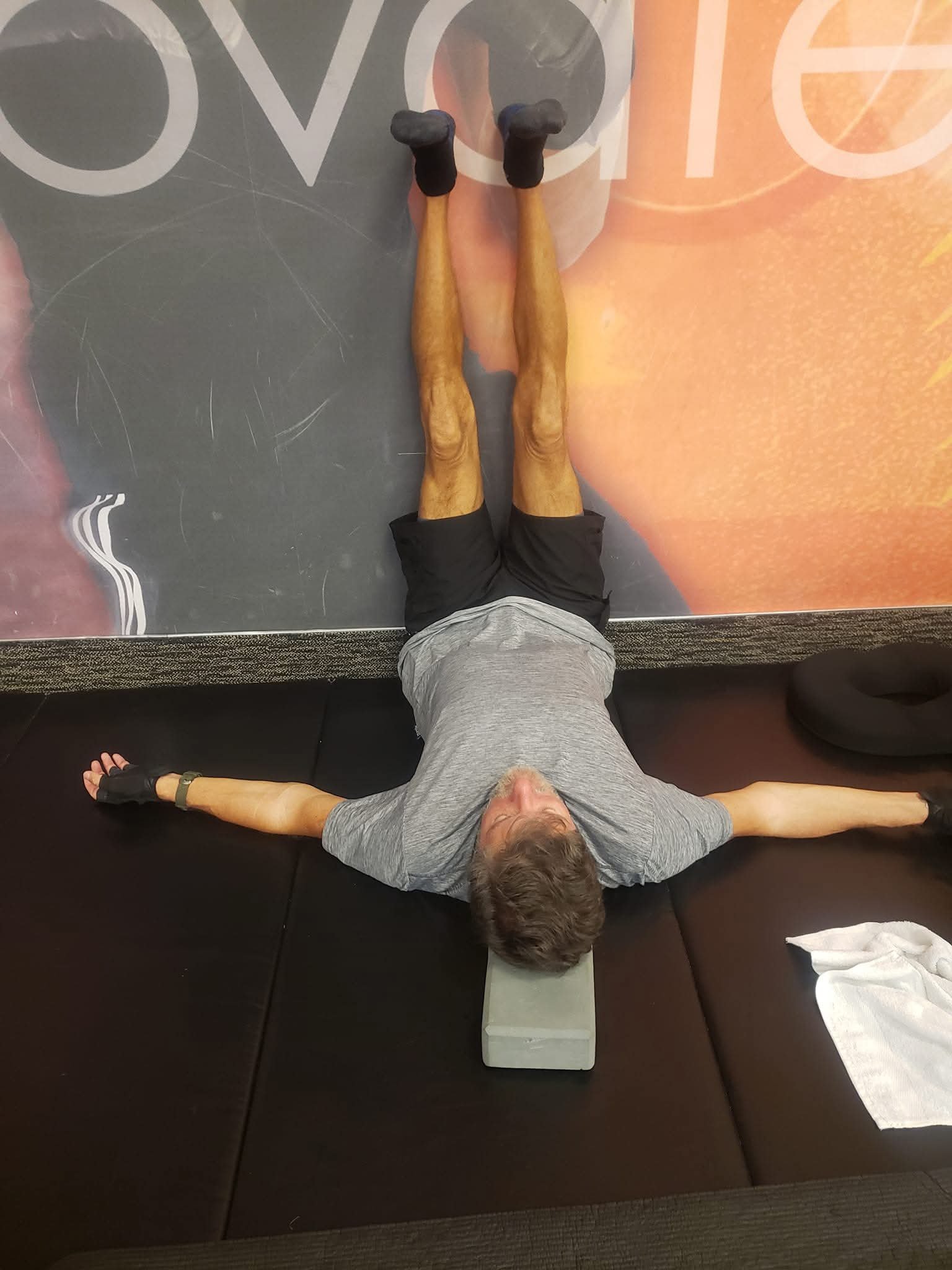
Our foundations’ founder, John Kilgore II, demonstrates a series of gentle poses and stretches intended to encourage relaxation, improve mobility, and help ease tension around the pelvis.
Every body and condition is different. Consult a qualified healthcare professional before attempting any new stretch or exercise, and stop if a movement increases your pain or symptoms.
This is most effective when accompanied by deep diaphragmatic breathing.

Meaningful progress might include:
Recovery can be uneven. A flare does not necessarily mean that all previous progress has been lost.
The journey often begins when pelvic or genital pain repeatedly worsens with sitting, activity, bowel movements, sexual activity or other triggers. Recognizing these patterns can help guide the first conversation with a healthcare professional.
A primary-care professional, gynecologist, urologist or another clinician can begin the evaluation. This often includes reviewing symptoms, performing an examination and ruling out more common or urgent causes of pelvic pain.
Because pudendal pain can involve several areas of health, care may require more than one specialist. The team might include pelvic-pain physicians, urologists, neurologists, colorectal specialists and pelvic floor physical therapists.
Treatment should reflect the person’s symptoms, possible causes and individual needs. Care may begin with activity changes, appropriate physical therapy or medication before progressing to nerve blocks or other specialized procedures.
Responses to treatment should be monitored over time. What helps one person may not help another, so the care plan may need to change as symptoms evolve and more information becomes available.
The goal extends beyond reducing pain. Meaningful progress may include restoring function, independence, relationships, confidence and hope while helping the person return to the activities and experiences that matter most.

A clear record can help a healthcare professional understand the pattern more quickly.
Living with pudendal nerve pain often requires thoughtful adjustments to everyday routines. Small changes at work, while traveling and at home can help reduce unnecessary pressure while protecting independence, relationships and quality of life.
Changing positions before discomfort becomes severe can help. Elevating your knees above your hips when seated or laying down will offload weight from your nerve area. Loose fitting clothing and undergarments will help to not restrict the area or add unwanted pressure. Focused deep breathing can also help downtrain your pelvic region and help in a crisis, and when added with wall stretching can really make a difference. Managing constipation levels is vital, especially if taking pain medication. Consult your physician for ways to keep digestion and evacuation regular.
Use pressure relieving seating such as donut cushions, leg bolsters, anti-gravity chairs, and Adirondack style chairs. Sit on ice packs for short intervals to help with pain. Take regular movement breaks. Laying on your side when available is ideal, and utilize a cushion between your knees for added support.
When traveling by plane, try to travel in a lay-flat seat or one that accommodates extra leg room. Place medical alert stickers (available on Amazon) on your carry on items to allow extra medical items onboard the plane, such as bolsters and seat cushions in addition to your other personal items.

A travel letter from your doctor describing your condition and stating that you will need special accommodations for extra items, cushions and gel packs can also help, especially on international travel. If you travel with a lot of medicine or injectables, be sure to list all those items on the doctors’ letter. A small cooler, such as RTIC, can be brought successfully through security and onto a plane with gel type ice packs. Be sure to freeze them hard before departing your home and place a medical alert sticker on the cooler. Ziplock bags of ice are not permitted through security, however you may want to bring a few empty quart freezer ziplock bags with you and ask a flight attendant to place some ice in them while on the flight. Wheelchair accommodations can be requested in advance of travel for both departing and arriving flights and help to shorten transition times from arrival through the the check-in/security/passport/baggage areas, and be sure to request early boarding once at the gate. During the flight take the opportunity to walk the length of the plane at intervals that are appropriate.
Request standing options or other reasonable workplace accommodations. If you need to sit in an office chair, utilize donut cushions and elevate your feet if you are able. Utilize ice as necessary to help with pain intensity. Take frequent breaks to walk.
Pace demanding activities and plan time for rest and recovery.
Help trusted family and friends understand your limitations.
Communicate openly with your partner about pain, intimacy and support.
Pelvic pain is not always caused by pudendal neuralgia. Seek urgent medical evaluation for symptoms such as:
Sudden loss of control—or being unable to urinate—may signal serious nerve compression. Go to the nearest emergency department immediately.
Numbness in this “saddle area” can signal serious nerve compression. Go to the nearest emergency department immediately.
New or worsening weakness, unsteadiness or trouble walking may indicate a neurological emergency. Seek immediate evaluation at an emergency department.
Severe pelvic pain after a fall, collision or other major injury may indicate damage beyond pudendal neuralgia. Seek emergency medical evaluation.
Fever, chills or feeling seriously unwell alongside severe pelvic pain may indicate an infection. Seek urgent medical evaluation as soon as possible.
A sudden, severe or unfamiliar change should not automatically be treated as a typical flare. Seek urgent medical evaluation.
If pain or isolation leads to thoughts of suicide or self-harm, call or text 988 in the United States. Call 911 or go to the nearest emergency department if there is immediate danger
No. Pudendal neuralgia describes nerve-related pain in the pudendal distribution. Entrapment is one possible cause, but pain can also be associated with injury, irritation, muscle tension or other factors.
No. The pudendal nerve is present in people of every sex, and pudendal neuralgia can affect anyone.
No. Pain that worsens while sitting is commonly associated with pudendal neuralgia, but several nerve, muscle, spinal, pelvic and anorectal conditions can produce a similar pattern.
MRI may help identify structural problems or rule out other conditions, but diagnosis generally depends on the complete clinical picture. A normal MRI does not automatically settle the question.
Yes. Symptoms may be one-sided, bilateral or felt differently across several areas.
The symptoms overlap with many other pelvic, muscular, urinary, reproductive, colorectal and neurological conditions. Many providers also have limited experience with pudendal nerve disorders.
Some people experience meaningful improvement through conservative care, procedures, surgery or a combination of treatments. Outcomes vary, and no responsible organization or provider should guarantee a cure.
Depending on the symptoms and suspected cause, care may involve a pelvic-pain specialist, pain-medicine physician, neurologist, gynecologist, urogynecologist, urologist, colorectal specialist, surgeon or pelvic floor physical therapist.
Yes. Persistent pain, isolation, sexual difficulties, disrupted sleep and delayed diagnosis can contribute to anxiety, depression and hopelessness. Emotional support should be part of comprehensive care without being used to dismiss the physical pain.
Pudendal neuralgia can change how a person sits, works, moves, sleeps and connects with others—but it does not erase their dignity, value or future.
PN to Purpose exists to make reliable information easier to understand, connect people with meaningful resources and ensure fewer individuals face pudendal pain in isolation.
PN to Purpose provides general educational information and community resources. We do not diagnose medical conditions, recommend individual treatments or replace care from qualified healthcare professionals.
July 2026